

Organizations
Bulk removal, at no cost
Hospitals, schools, municipal offices and corporate sites. Book a window, we come to your dock, and you keep the manifest of every device we took.
10+ devicesNo charge
We take it away, recover what is inside, and hand you a record of every device that left the building.
Most recyclers will take your equipment. Very few can tell you afterwards exactly what they took, when, and who carried it. That record is what an auditor asks for, and it is what the whole service is built around.
Every device is counted before it moves and weighed when it does. The two are compared before anyone is paid.
Scrap is priced against a published rate list, per pound, on the day. A photograph identifies what you have; it never decides what it is worth.
We do not read the drives we collect. Wipe them first — and if there are any you cannot, say so when you book and we will treat them as sensitive.
Tell us roughly what you have and where it is. If it is not something we can take, we will say so on the call rather than send a van.
The service underneath is the same. What changes is whether you are paying nothing, being paid, or just getting rid of one old laptop.
Hospitals, schools, municipal offices and corporate sites. Book a window, we come to your dock, and you keep the manifest of every device we took.
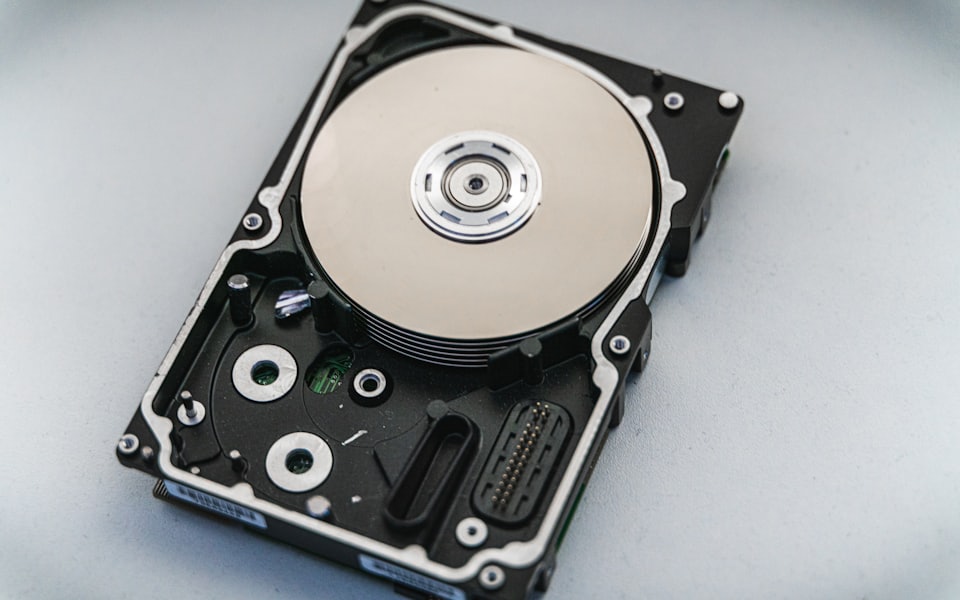
Repair shops, resellers and refurbishers. Photograph what you have and the app prices it against the day's rates. Accept, and a driver comes to collect.

A laptop in a cupboard and a drawer of phones. Tell us what you have and we will write back with the nearest way to hand it over.
Each stage produces the document the next one needs. That is the whole reason the paperwork holds up — nothing is written after the fact.
You list what you have, or photograph it and let the app identify it. That list becomes the manifest attached to the collection.
A field agent takes the job, travels to your site, and is recorded against it from the moment they accept.
What actually leaves is weighed at your dock, not estimated in an office. If it differs from the manifest, the difference is flagged and payment waits until someone has checked it.
Boards, memory and drives are separated and sent for recovery. The record closes with what was received against what was collected.
No forms that go nowhere. Here is the whole sequence, so you know what you are agreeing to before you agree to it.
A person, not an autoresponder. If what you have is not something we take, we tell you then rather than after a van has been out.
You pick a day and a time range that suits your dock. Nothing is booked until you say so.
You see who has the job before they arrive. They check in at your dock, count what they take, and weigh it there.
A list of every device, what it weighed, who collected it and when. Yours to keep and to hand to whoever asks.
Not for organizations handing over ten or more devices. Businesses selling scrap are paid rather than charged. Individuals are free.
Wipe them before we arrive. We do not read them, and we cannot recover anything for you afterwards. If there are drives you cannot wipe yourself, say so when you book and we will handle them as sensitive.
Anything leaking, burning or swollen. A driver can refuse an item at the dock on those grounds — it has to travel in a van with a person.
Per pound, against a published rate list, on the day you ask. The camera identifies what you have; the rate list decides what it is worth. A quote holds for seven days, because metal prices move.
You pick a window when you book. A driver takes the job from the board, and you see who has it and when they are coming.